
Key Takeaways
- Myopia makes faraway objects look blurry while close ones typically stay clear.
- Eye length cannot shrink back, so myopia is corrected, not reversed.
- Myopia control can slow how fast your child’s prescription changes.
- Early eye exams help catch shifts while young eyes are still growing.
- Time outdoors and screen breaks support healthier vision at home.
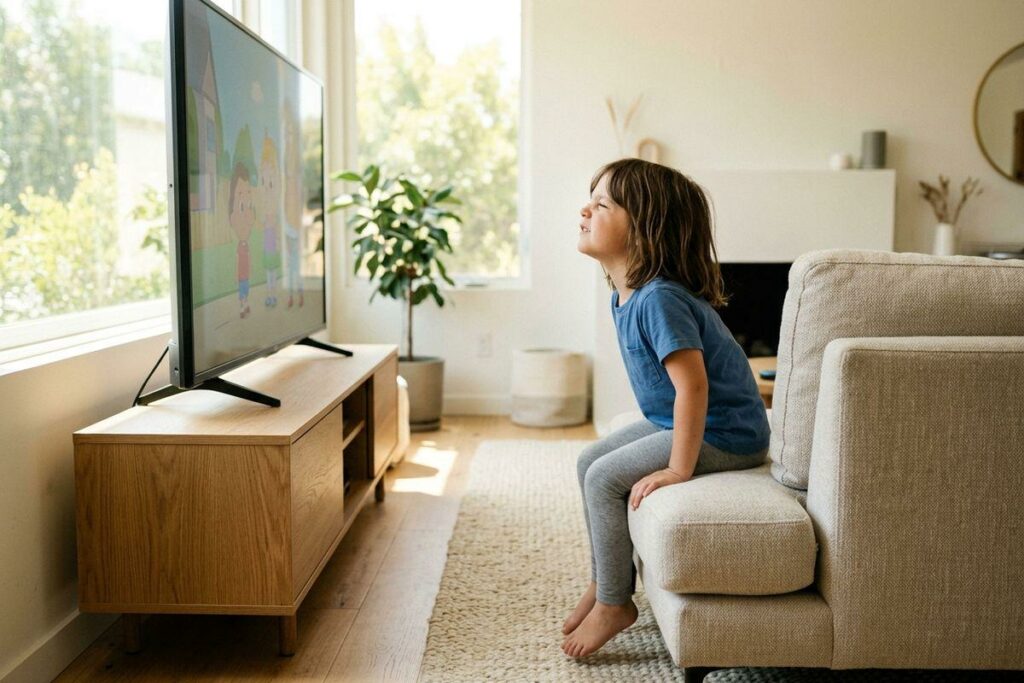
You’ve noticed your child inching closer to the TV or squinting at the classroom board, and you’re wondering if their eyesight can bounce back. Eye.Q. Optometry helps Eagle Rock families understand what’s happening and what to do next, including myopia control for growing kids.
Myopia can’t be reversed or cured because the eye can’t shrink back to its original length, but its progression can often be slowed.
What Myopia Means for Your Child’s Vision
Your child squints at the TV, holds a book inches from their face, or asks to move closer to the whiteboard. Those small moments often point to myopia, also called nearsightedness.
Myopia happens when the eye grows a little longer than it should. That extra length changes how light lands inside the eye, so distance vision turns fuzzy. It often shows up between ages 5 and 14, right when kids are reading, learning, and using screens the most.
Signs to Watch for at Home
You know your child better than anyone, so small changes are easy to spot once you know what to look for.
- Squinting at screens or sitting very close to them
- Headaches or tired eyes after schoolwork
- Trouble reading the classroom board from their seat
Can Myopia Be Reversed or Cured?
Here’s the honest answer. Once the eye grows longer, it can’t shrink back, so myopia is corrected rather than reversed. Its progression, however, can often be slowed.
Correction and a cure are two different things. Glasses and contacts help your child see clearly today, but they don’t change the shape of the eye. Myopia control is different. It aims to slow how quickly the prescription climbs during the growing years, which can lower the risk of stronger prescriptions later.
Common Myths Worth Clearing Up
Plenty of advice online sounds helpful but doesn’t hold up.
- Eye exercises don’t fix the length of the eye.
- Vitamins and supplements won’t reverse myopia.
- Pressing on the eyes can be harmful and should be avoided.
Why Early Detection and Exams Matter
Young eyes change fast. A prescription that fits in the fall might feel off by spring, because growth and daily screen habits keep shifting things.
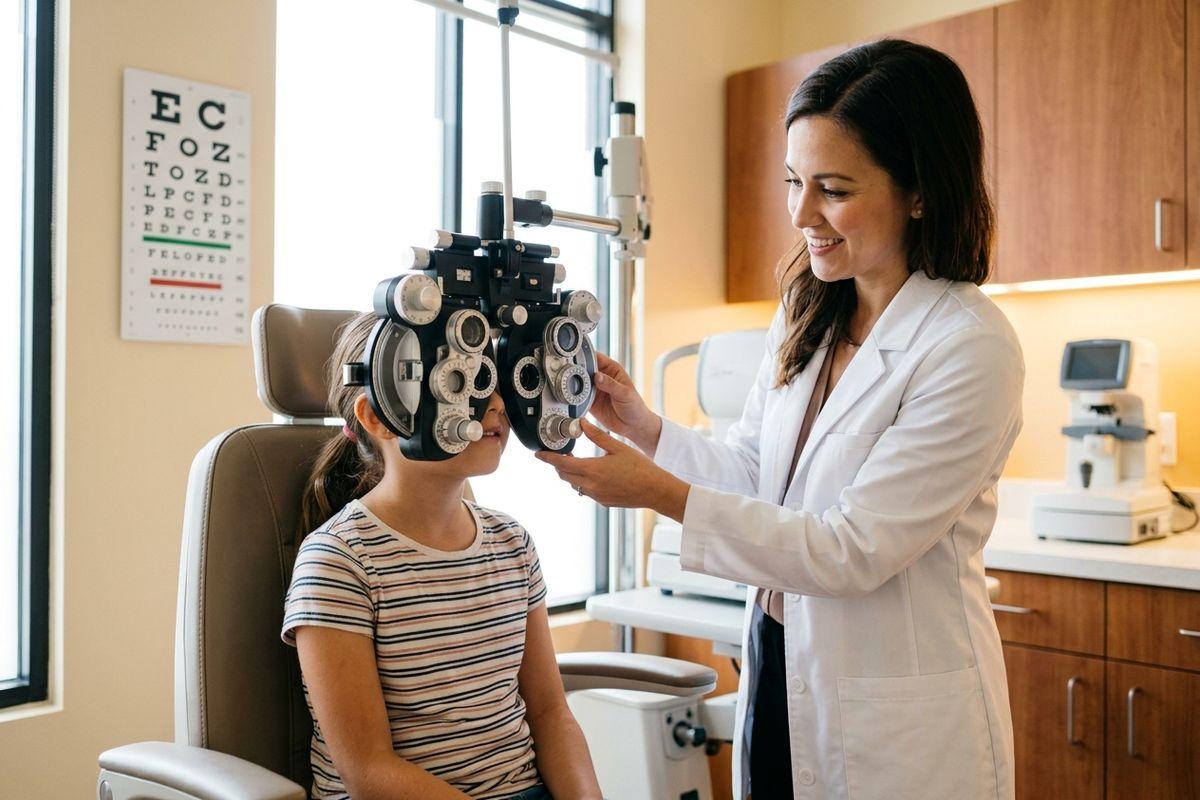
Regular eye exams help your optometrist detect those shifts early and measure how much the eye changes over time. That record helps guide the right next step, often before the prescription climbs higher.
The earlier you start, the more room there is to act. Booking with an optometrist in Eagle Rock while your child is young gives their vision the steady attention it needs during these growing years.
Myopia Control Options in Los Angeles
There isn’t one single path, and that’s a good thing. Myopia control is matched to your child’s age, prescription, and daily routine.
Special contact lenses can slow the progression of myopia while your child wears them during the day. Orthokeratology (ortho-k) uses a lens worn overnight that gently reshapes the front of the eye, so many kids see clearly during the day without glasses. Our team can walk you through which option fits your child’s lifestyle, whether they play sports, read for hours, or spend a lot of time on screens.
Does Family History Play a Role?
Yes, genes matter here. If one parent is nearsighted, a child’s chances go up, and those chances rise further when both parents wear distance correction.
Either parent can pass it along, so it helps to share your own vision history at your child’s exam.
Everyday Habits That Help Your Child’s Eyes
Small daily choices add up, and they fit right into a busy Eagle Rock family schedule.
- Aim for about 2 hours outdoors each day, since natural light supports healthy eye growth.
- Limit close-up screen time and build in short breaks to rest the eyes.
- Increase the distance between your child’s eyes and their books or devices.
These habits won’t replace an eye exam or myopia control, but they give your child’s eyes a break from the constant close-up focus that fills a school day.
We Can Help
If you’ve noticed the squinting or the closer-and-closer screen creep, our team at Eye.Q. Optometry can help you understand your child’s options and build a plan that fits their needs. Schedule a visit today and take the next step for your family’s vision.